
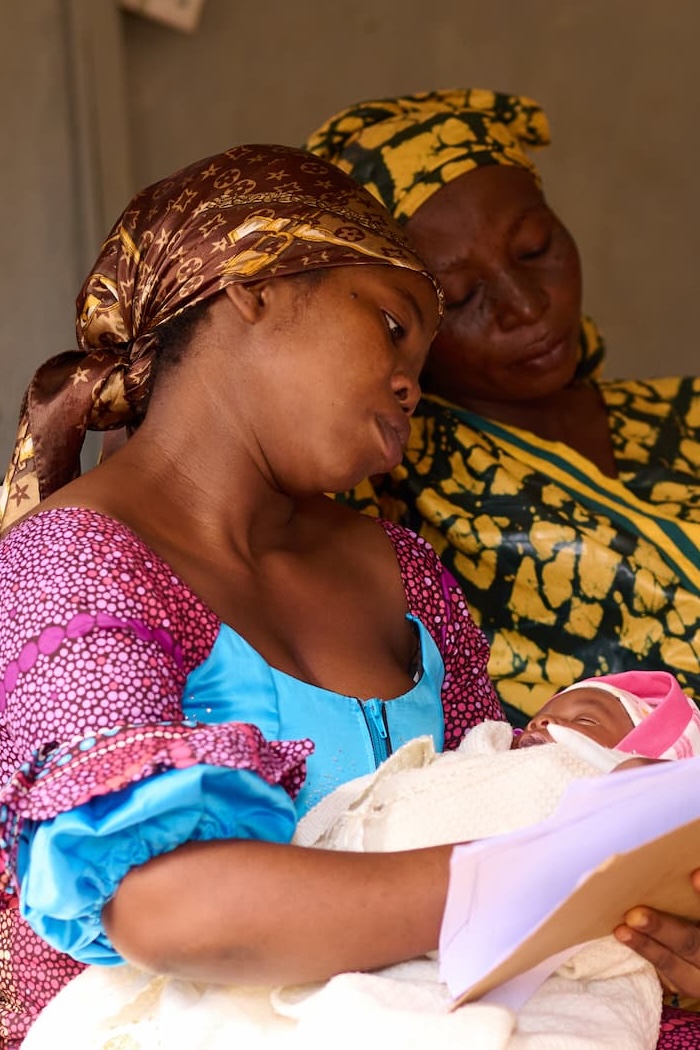
Exclusive Breastfeeding in Nigeria: Facts, Realities & the Struggles
Breastfeeding is natural, rewarding, but it isn’t always easy.
In Nigeria and many parts of the world, exclusive breastfeeding is one of the most powerful, low-cost interventions to protect a newborn’s life. Yet, behind the science are mothers who cry in silence, fight cultural norms, and make sacrifices many will never see.
What is Exclusive Breastfeeding?
Exclusive breastfeeding means feeding a baby only breast milk, no water, pap, herbs, or formula, from birth to six months of age. It provides all the nutrition a baby needs in that period and continues to offer essential nutrients when combined with complementary foods up to age two and beyond.
But there’s more to breast milk than nutrition.
The Science Behind Breast Milk
Colostrum: Baby’s First Vaccine
In the first 3–5 days after birth, a mother’s body produces colostrum, a thick, golden liquid often called “liquid gold.” Colostrum is rich in immunoglobulins, especially IgA, which line the baby’s intestines and guard against infections. It’s low in volume but high in power, providing:
- Antibodies that protect the newborn’s immune system
- Growth factors for intestinal development
- Easy-to-digest nutrients tailored for a newborn’s gut
Mature Milk: Adaptive & Intelligent
By day 5–7, mature breast milk begins to flow. It changes composition throughout the day, during the feed, and even based on the baby’s needs. Breast milk contains:
- Carbohydrates (like lactose) for brain growth
- Fats for energy and myelination
- Proteins for immunity and tissue development
- Live cells, enzymes, and hormones that adjust as the baby grows
Skin-to-Skin Contact: More Than a Moment
When a newborn is placed on the mother’s chest immediately after birth, this “skin-to-skin” contact:
- Regulates the baby’s temperature, heart rate, and breathing
- Triggers maternal hormones like oxytocin for bonding and milk let-down
- Lowers maternal stress and postpartum depression risk
- Encourages early latching and sustained breastfeeding
This isn’t just emotional, it’s biological regulation.
The Realities of Milk Production
Breastfeeding is supply and demand. The more a baby suckles, or milk is expressed, the more milk the body is signaled to make. But this balance is fragile.
Things That Can Help:
- Frequent feeding or pumping (8–12 times/day)
- Skin-to-skin contact
- Staying hydrated and nourished
- Rest (as much as possible)
Things That Can Reduce Milk Supply:
- Stress, fatigue, and pain
- Poor latching or infrequent feeding
- Certain medications or hormonal imbalances
- Supplementing early without medical reason
When Breastfeeding Hurts
Not all pain is “normal.” Breastfeeding can be difficult, physically and emotionally. Here are some common challenges Nigerian mothers face:
- Latching Problems: This happens when the baby struggles to properly latch onto the nipple, leading to pain for the mother and poor milk transfer for the baby. It’s one of the most frustrating and disheartening challenges, especially in the early days.
- Engorgement: When the breasts become overly full, often due to missed feeds, it can be extremely painful. The skin may feel tight and hard, and the baby may struggle to latch because the breast is too firm.
- Mastitis: This is an inflammation or infection of the breast. Warning signs include redness, swelling, shooting pain, fever, and chills. It often results from a blocked duct or poor drainage and should be treated early with rest, warm compresses, and medication prescribed by a health provider.
- Abscess: If mastitis is left untreated, it can develop into an abscess, which is a painful collection of pus that may require medical drainage. This condition is more serious and should not be ignored.
- Tongue-Tie: A condition where the tissue under a baby’s tongue restricts movement, making it hard for the baby to latch. This often requires diagnosis and treatment by a healthcare professional.
- Postpartum Anxiety or Depression: These conditions can affect a mother’s ability to bond, rest, and even produce milk. Breastfeeding may feel overwhelming or isolating. Mental health support is just as important as physical support during this time.
Behind every mother pushing through these challenges is a silent battle for her baby’s wellbeing.
How Long Should You Breastfeed?
According to the World Health Organization (WHO) and Nigerian Federal Ministry of Health:
- Exclusively breastfeed for the first 6 months
- Continue breastfeeding up to 2 years and beyond, with appropriate complementary foods introduced after 6 months
There is no perfect way, just informed choices supported by the right information and environment.
Behind the Data: Real Mothers, Real Barriers
Even with good intentions, Nigerian mothers face real-world obstacles:
Cultural Beliefs:
- “Babies need water in our heat.”
- “A crying baby means your milk isn’t enough.”
- “Herbs will help the baby sleep.”
Health System Gaps:
- Inconsistent advice from providers
- Clinics that are too overwhelmed for postnatal counseling
- Lack of male inclusion in maternal care
How You Can Help—Wherever You Are
If you’re a mother: You are doing your best. Seek support, not shame.
If you’re a health worker: Speak clearly, consistently, and compassionately.
If you’re a father or partner: Your support is not extra, it’s essential.
If you’re a community leader: Make space for truth. Challenge myths.
If you’re anyone else: Start with empathy. Ask how you can help.
Let’s Make Space for Mothers
Exclusive breastfeeding isn’t just a personal choice. It’s a public health intervention.
But more than that, it’s a window into how we treat our mothers.
- Do we surround them with support?
- Do we listen when they say it hurts?
- Do we understand that behind every drop of milk is an untold sacrifice?
At Bump & Binky, we believe in the power of informed communities, supported mothers, and healthy babies.
Let’s make breastfeeding a shared responsibility.
Let’s hold space for the science, and the struggle.
Let’s start with one mother, one moment, one conversation at a time